
Connecting the Dots: A Practical Introduction to SAP EDI Integration
April 29, 2025 | by Jodi Abrams

Modern supply chains rely on two things: speed and accuracy. That’s why Electronic Data Interchange (EDI) and SAP ERP are such a powerful combination. EDI automates the exchange of documents like purchase orders and invoices between businesses. SAP manages the internal processes that power your operations. When you connect them, you create a fast, reliable system where information flows seamlessly between partners.
Here’s what you need to know about setting up EDI integration with SAP—and why it’s worth it.
What Is SAP EDI Integration?
At a high level, SAP EDI integration means connecting your SAP system to your trading partners so you can exchange business documents electronically. Instead of manually entering orders, invoices, or shipment details, everything flows automatically between systems using standardized formats.
Behind the scenes, SAP uses something called IDocs (Intermediate Documents) to structure and manage this data. IDocs act like containers for business information—whether you're sending a sales order or receiving a shipping notice.
Key Benefits of Integrating EDI with SAP
1. Faster Business Cycles: Orders, confirmations, and invoices are exchanged instantly—no delays, no waiting for emails or spreadsheets.
2. Fewer Errors: Automating data exchange drastically reduces manual entry mistakes and mismatched information.
3. Stronger Partner Relationships: Quick, reliable communication keeps suppliers, customers, and carriers aligned and informed.
4. Improved Visibility: Real-time data means better planning, better forecasting, and faster issue resolution.
What Does the Integration Look Like?
While the technical setup can vary, a typical SAP EDI integration includes three core components:
1. IDoc Interface (SAP Side): SAP structures business data into IDocs, which are then ready to be transmitted or received.
2. Integration Layer: This is where messages are translated, mapped, and routed between SAP and your trading partners. Businesses can choose from a variety of solutions—such as on-premise middleware, cloud-based tools, or fully managed services that handle everything from setup to ongoing support.
3. Communication Channel: Secure connections—like AS2, SFTP, or VANs—deliver the data to and from your trading partners.
|
|
Business Function |
|---|---|---|
| 850 | ORDERS | Sends purchase orders directly to suppliers, or receives sales orders from customers |
| 855 | ORDRSP | Confirms order details or keeps procurement and fulfillment on track. |
| 856 | DESADV | Notifies you of incoming shipments or helps your team prepare for deliveries. |
| 810 | INVOIC | Receives supplier invoices or sends customer invoices |
End-to-End Support for SAP EDI Integration
A successful integration isn’t just about going live—it’s about keeping things running smoothly. That includes:
- Setting up trading partner connections
- Building and maintaining mappings
- Monitoring document flow and resolving errors
- Updating configurations as your business evolves
- Having a knowledgeable team managing these components ensures that your EDI landscape stays reliable and adaptable.
Wrapping It Up
EDI and SAP are powerful on their own—but together, they can completely transform how your business operates. When integrated properly, you save time, reduce mistakes, and gain real-time visibility across your supply chain.
Need help getting started or optimizing your current setup? Reach out to us at info@contax.com to find out how we can support your EDI journey.
About the Author

Jodi Abrams
Related Articles

Your EDI Is “Managed” - But Who Manages the Failures?
There’s a big difference between having someone manage your EDI maps and having someone manage your EDI.
EDI 820 Payment Processing in SAP
From EDI 820 to Cash Applied: How Arcus Automates Payment Advice Posting in SAP
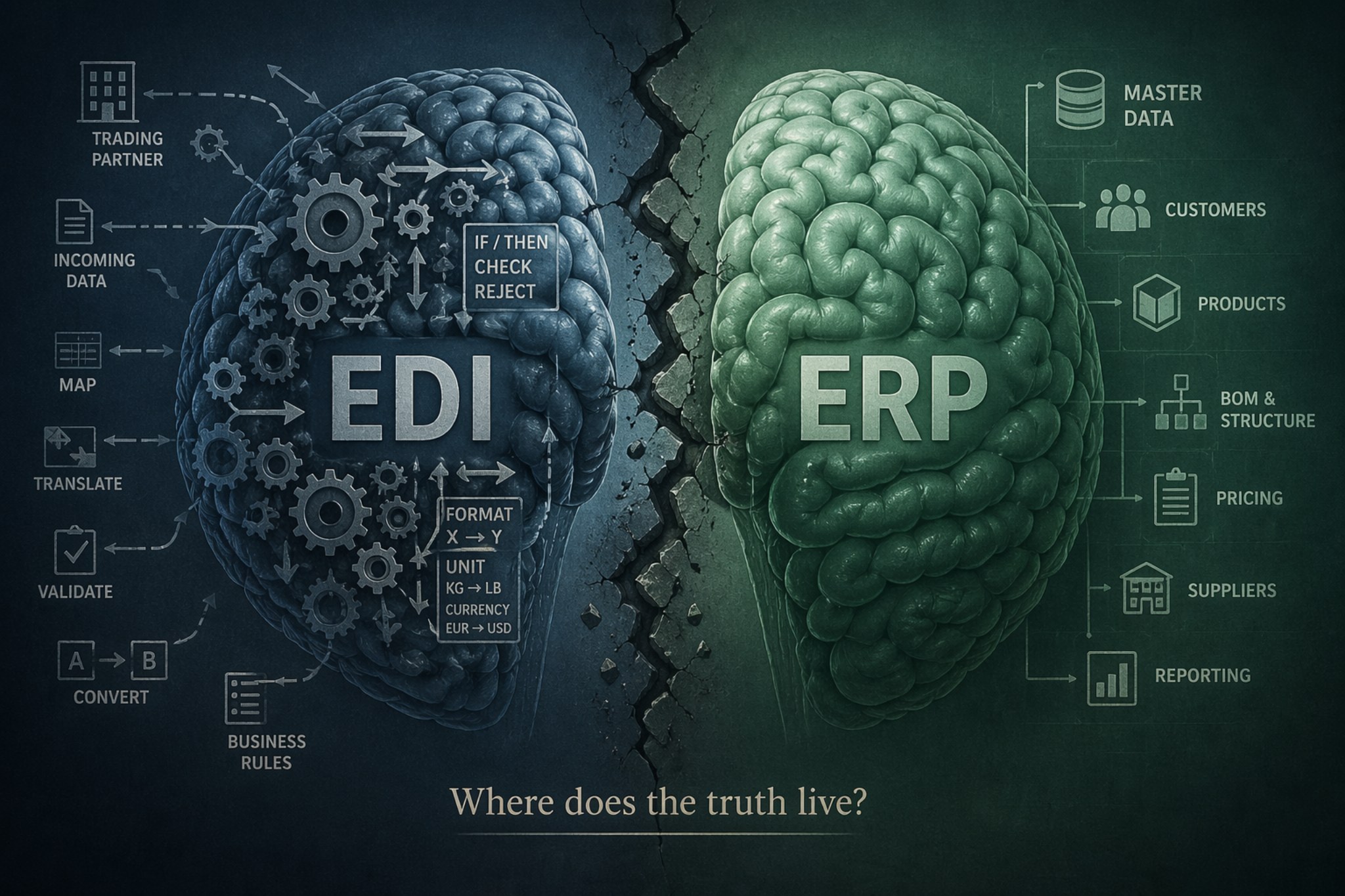
Single Source of Truth in EDI - Easier Said Than Done
How small EDI fixes like lookups, conversions, and custom rules can slowly pull business logic out of your ERP and create long-term complexity.