
Hansaloy: Manufacturing Excellence using SAP® HANA
May 28, 2021 | by Michael Pearson

Hansaloy Corporation, a US Midwest company, manufactures bread blades, lattice, blade guides, honing equipment for bread slicers. They achieved manufacturing excellence with CONTAX and SAP HANA.
Objectives
- Track Heat Lots from Vendors
- Eliminate numerous disparate systems
- Update Infrastructure and Eliminate Legacy Green screen system
- Need MRP to help manage ever growing number of materials
Why SAP
- Implementation Partner locally located and experienced in Manufacturing
- High-speed performance of running on the SAP HANA® platform
- Full Integration of Vendor Heat Lot throughout Supply Chain with full
- Recall functionality
- Remarkably affordable
Resolution
- Leverage Reorder points and MRP to eliminate manual Purchasing processes
- Eliminated risk of running archaic systems to manage the business Payroll solution designed in SAP with additional Labor Efficiency and other ad-hoc reporting
- Adherence to SAP Manufacturing Best Practices
Future plans
- Implement RF Technology to be more efficient in Production
- Analyze our Freight Spend through better reporting
- Quality Implementation to catch issues with product before shipping
“We had record Sales in the first full month on SAP in company history.” - Kim Brenner, President of Hansaloy Corporation.
Download the Case Study brochure.
Download Brochure
About the Author

Michael Pearson
Related Articles
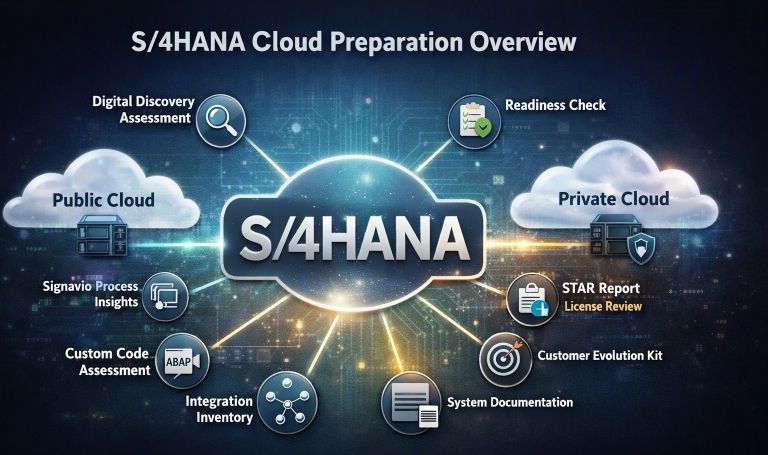
S/4HANA Public vs. Private Cloud — What ECC Customers Should Be Doing Now
A practical guide showing ECC customers the lowcost, highimpact steps they should begin now to ensure a smooth and wellprepared migration to S/4HANA Public or Private Cloud.

Your EDI Is “Managed” - But Who Manages the Failures?
There’s a big difference between having someone manage your EDI maps and having someone manage your EDI.

S/4HANA Public vs. Private Cloud — Understanding the True Cost Picture
The true cost dynamics of SAP S/4HANA Public vs. Private Cloud, and how subscription, implementation, and lifecycle factors shape longterm total cost of ownership.